
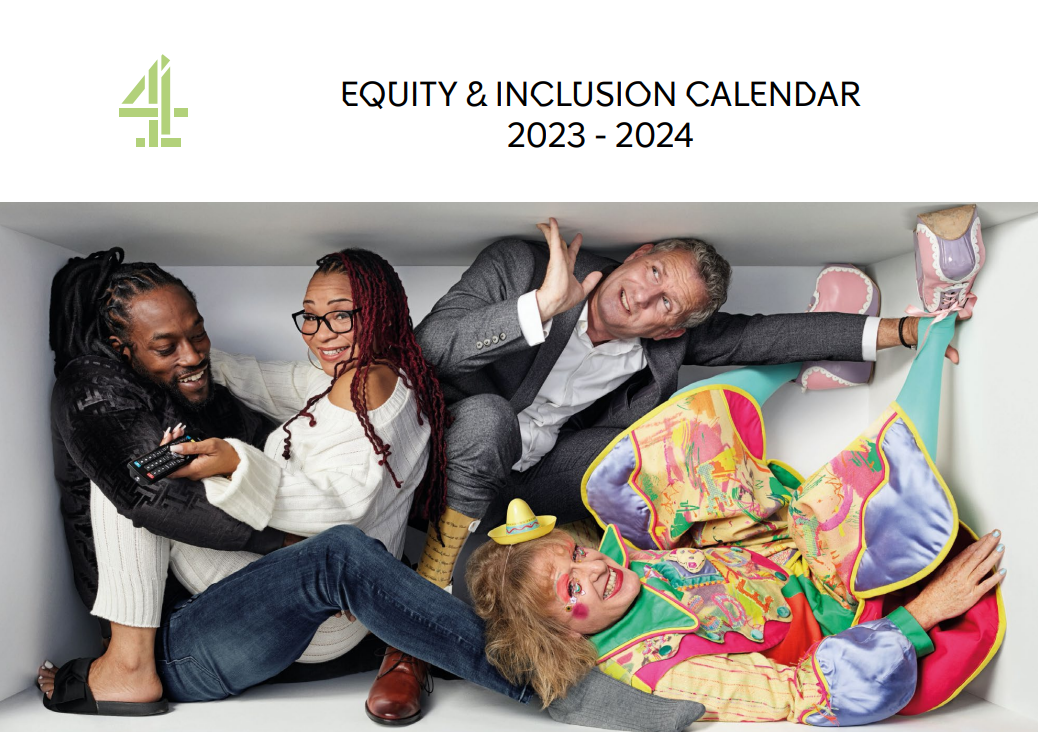
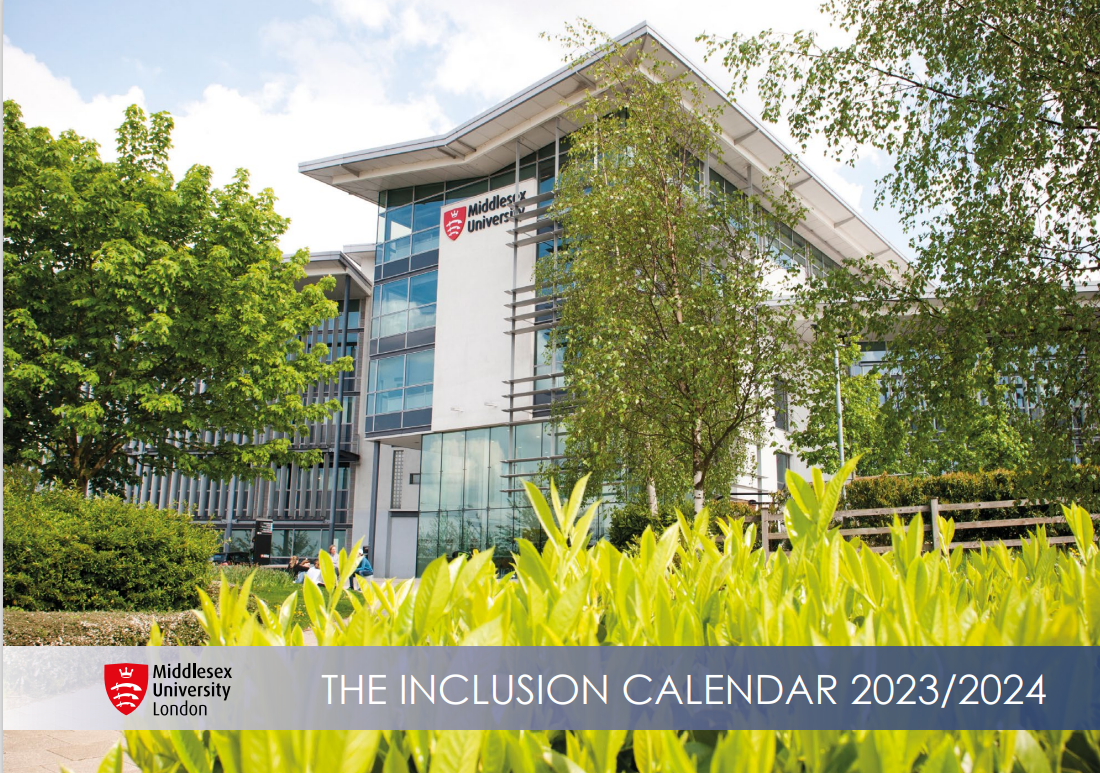



An Inclusion and Diversity Calendar to meet Your needs
Corporate Calendars – Academic Calendars – Fiscal Calendars – Council Calendars – Health Trust Calendars
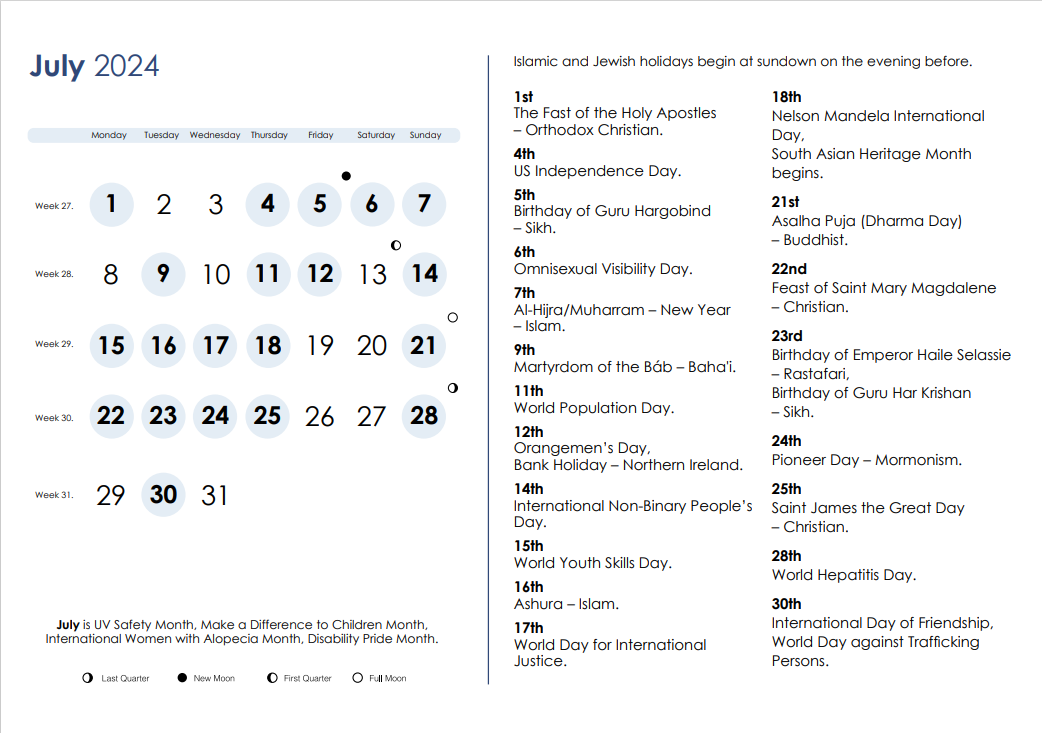
Online Inclusion Calendars
Online Inclusion Calendar with the key dates plus your logo on the font cover and on all the month pages. ONLY £595 per organisation.

Bespoke Inclusion Calendar
Add your images, insert extra pages, include key events and create your own front cover for your Inclusion Calendar. Bespoke PLUS £795 (£895 for accessible version), Fully Designed £1,295 (£1,395 for accessible version).
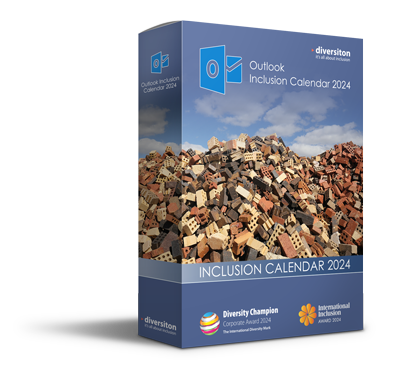
Outlook Inclusion Calendar
All the essential diversity dates in Outlook for all your staff. An online Inclusion Calendar that sits perfectly with your current outlook calendar. ONLY £395 per organisation.
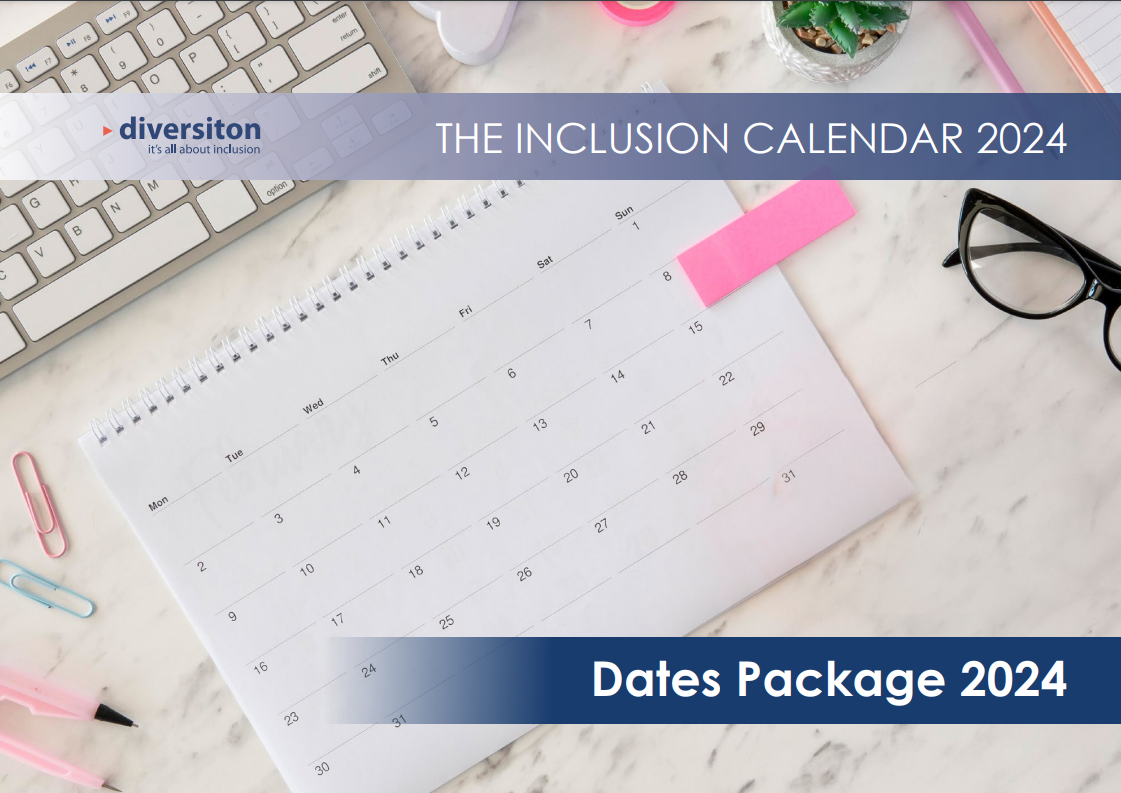
Dates Package 2024
Use our proven and trusted Dates Package to create your own in-house calendar and remember key events. Comes in handy excel format. ONLY £395 per organisation.
Please call 028 4175 4777 to order your Online Inclusion Calendar 2024
or email Sharon@diversiton.com for further information
Online Calendar – with your logo
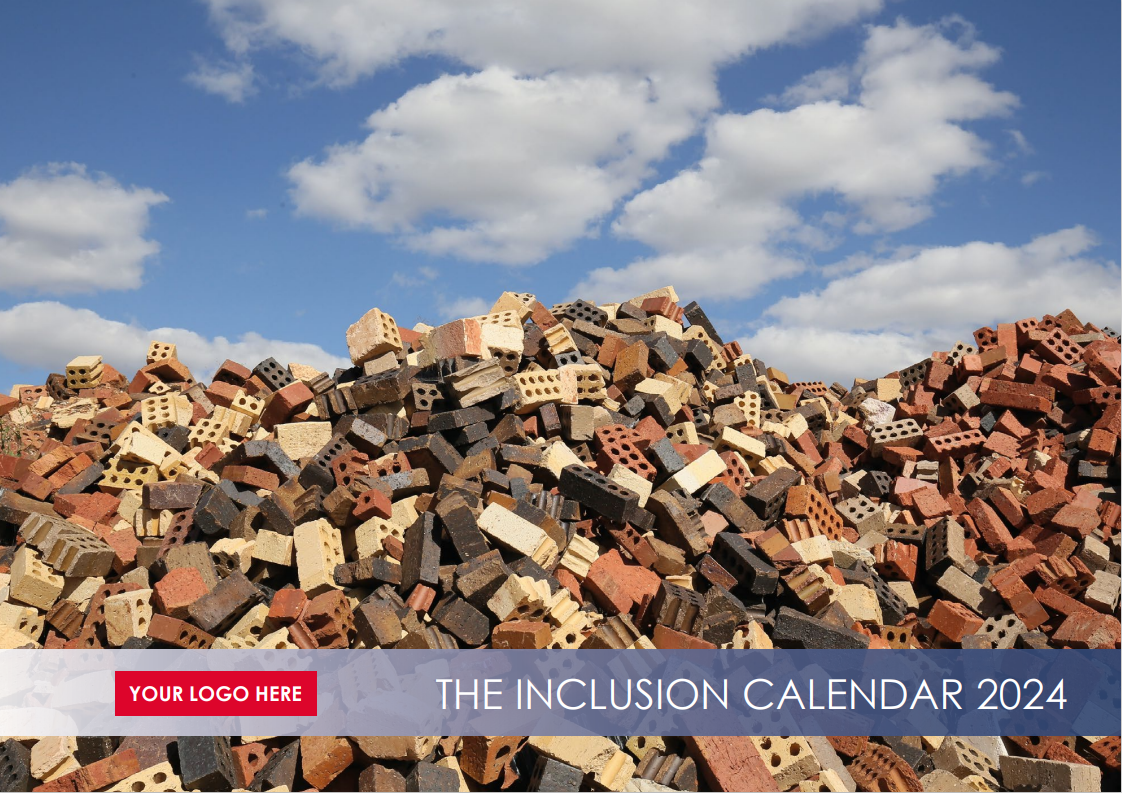
Your Logo is on the front cover
AND on each of the month pages.
A great way to promote Inclusion in 2024!
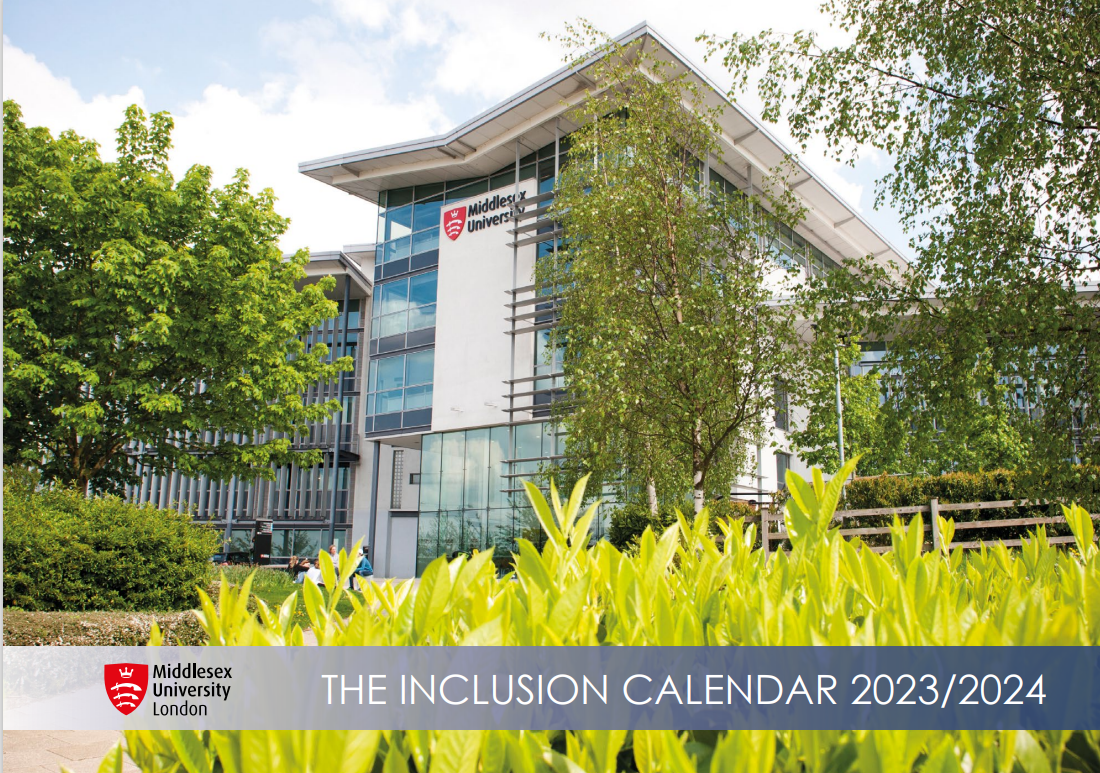
Bespoke Calendar – add your images, front cover & title!
With the Bespoke Calendar you can add you images, insert additional pages, include your organisation dates – and create your own front cover and title!

Inclusion and Diversity Awards
Diversiton is the official Awarding Body for the International Inclusion Award and the Diversity Champion Award. With one online application (and one registration fee) your organisation can apply for both awards for 2024.
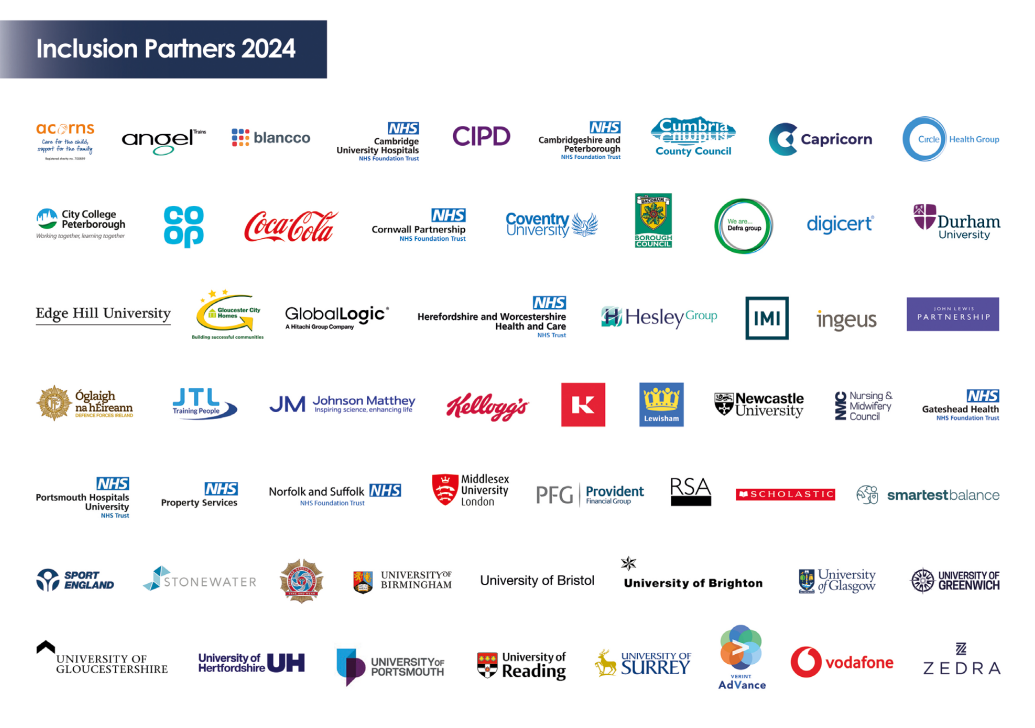
Partners and Clients
We wish to say ‘thank-you’ to the hundreds of organisations who work with us year after year to promote respect and inclusion